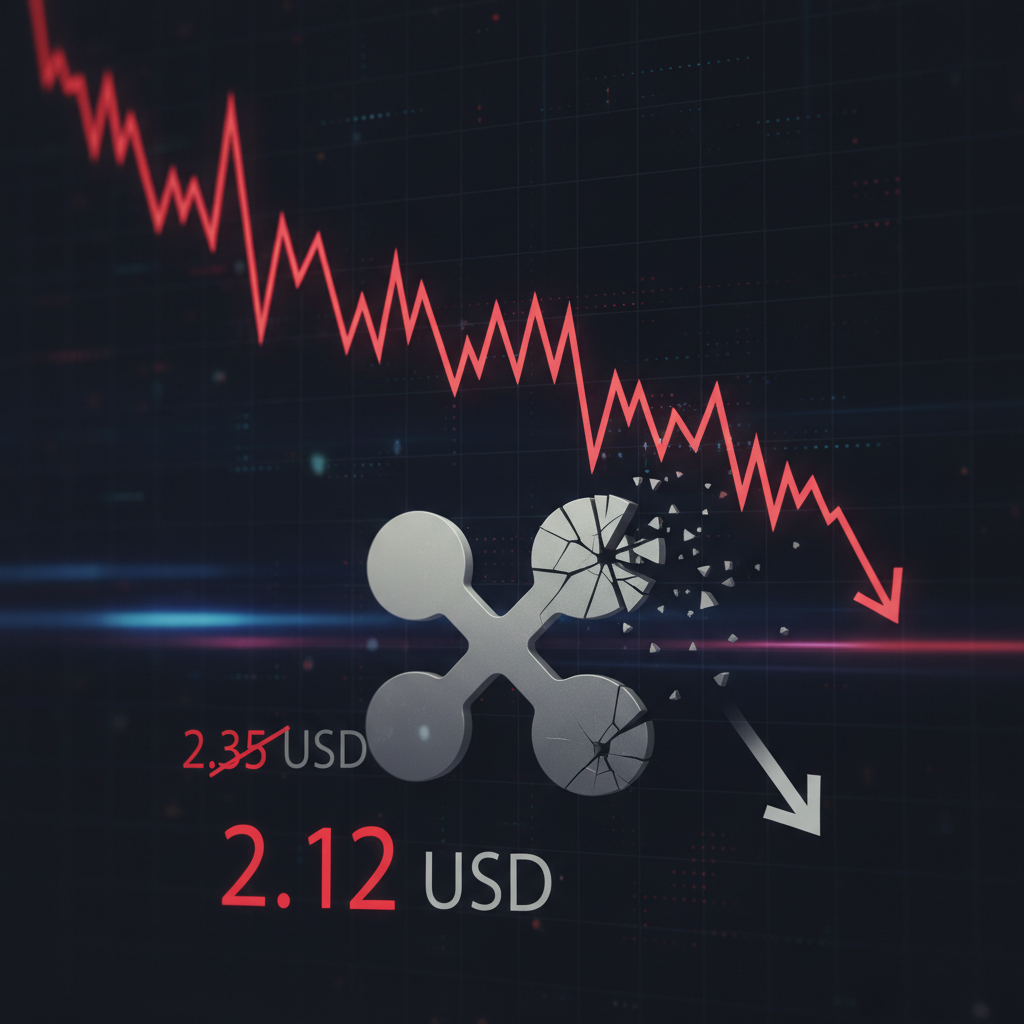

Hey crypto enthusiasts! If you have been keeping an eye on the crypto markets lately, you might have noticed XRP, the digital asset associated with Ripple Labs, experiencing a bit of a tumble. It recently slid to a six-week low, hovering around the $0.5280 mark. For many, this dip raises questions about what is truly happening in the market and what could be next for XRP.
The cryptocurrency world is no stranger to volatility, and XRP's recent price action is a prime example. After a period of relative stability, the token saw its value decrease, reaching its lowest point in about a month and a half. This slide wasn't a sudden crash, but rather a gradual decline influenced by a combination of factors that are currently shaping the broader digital asset landscape.
While a 1% dip over 24 hours might not sound dramatic, the consistent downward pressure signifies a market that is either consolidating, re-evaluating, or perhaps taking a breather. This specific price point of $0.5280 became a notable threshold, indicating a rejection of recovery attempts that investors might have hoped for earlier.
So, what exactly caused this downward trend? According to market analysts, two primary forces appear to be at play: profit taking and a general cooling of trading activity. It is a classic scenario in financial markets. After periods of upward movement, many investors choose to cash out their gains, leading to increased selling pressure. This 'profit taking' behavior is natural, especially among short to medium-term traders looking to secure their returns.
Coupled with this, a decrease in overall trading activity means there are fewer buyers stepping in to absorb the selling pressure. When fewer people are actively trading or new capital isn't flowing into the asset at a significant rate, even moderate selling can have a more pronounced impact on price. It creates a vacuum where sellers dominate, pushing prices lower.
It is impossible to discuss individual asset performance without looking at the bigger picture. The crypto market has been buzzing with anticipation around the launch of new exchange-traded funds, particularly those tied to Bitcoin. While these ETFs are specific to Bitcoin, their introduction has a ripple effect across the entire crypto ecosystem. Investor attention, and crucially, capital, tend to gravitate towards areas of high excitement and perceived new opportunities.
This shift in focus can temporarily draw liquidity away from altcoins like XRP. Investors might be reallocating funds, moving from more speculative or established altcoins into Bitcoin, or even simply holding cash to observe how the new ETF landscape unfolds. This redirection of capital, even if temporary, can contribute to decreased trading volume and increased selling pressure on other assets.
Furthermore, broader macroeconomic factors and general investor sentiment also play a critical role. Global economic uncertainties, regulatory developments, and even shifts in traditional markets can influence how investors perceive and interact with riskier assets like cryptocurrencies. When there is a general cautious mood, altcoins often feel the pinch first and hardest.
From a technical analysis perspective, breaking below certain support levels can signal further downside. For XRP, the $0.5280 mark is significant as a recent six-week low, suggesting it is a crucial area for market participants to watch. Analysts often look for strong support levels where buyers historically step in to prevent further declines. A sustained break below such levels could indicate that the bears are in control.
Conversely, if XRP manages to find its footing and bounce back, key resistance levels, like $0.58, would become targets. Overcoming these resistance points could signal a potential recovery. However, in a cooling market, these levels can be difficult to breach without a significant catalyst or a broader shift in market sentiment.
While the immediate price dip appears to be driven by market dynamics rather than new legal developments, it is worth briefly acknowledging the ongoing legal saga involving Ripple and the U.S. Securities and Exchange Commission (SEC). This high-profile lawsuit has cast a long shadow over XRP's price action for years. While Ripple has seen some favorable rulings, the overall uncertainty surrounding the case can still weigh on investor confidence.
Any new development, positive or negative, has the potential to cause significant price swings for XRP. Even in periods of relative quiet on the legal front, the underlying uncertainty can make some institutional investors hesitant, impacting liquidity and broader adoption. It is a unique challenge that XRP faces compared to many other cryptocurrencies.
So, what could turn the tide for XRP? A recovery largely depends on a few key factors:
Without such catalysts, XRP might continue to experience pressure, fluctuating within its current range or even testing lower support levels. However, the crypto market is famously dynamic, and sentiment can shift rapidly.
For investors, periods like these highlight the importance of careful research and a well-thought-out strategy. Market dips can be opportunities for some, while for others, they serve as a reminder of the inherent risks. Staying informed about both macroeconomic trends and specific asset news is key to making informed decisions in this ever-evolving space.
XRP's journey is far from over, and its recent dip is a normal part of the crypto cycle. The coming weeks will be interesting to watch as the market digests the current sentiment and anticipates future developments.
.png)